Lawmakers have seen enough. The Senate is now warning that Nigeria’s outbreak response system is not as strong as it needs to be.
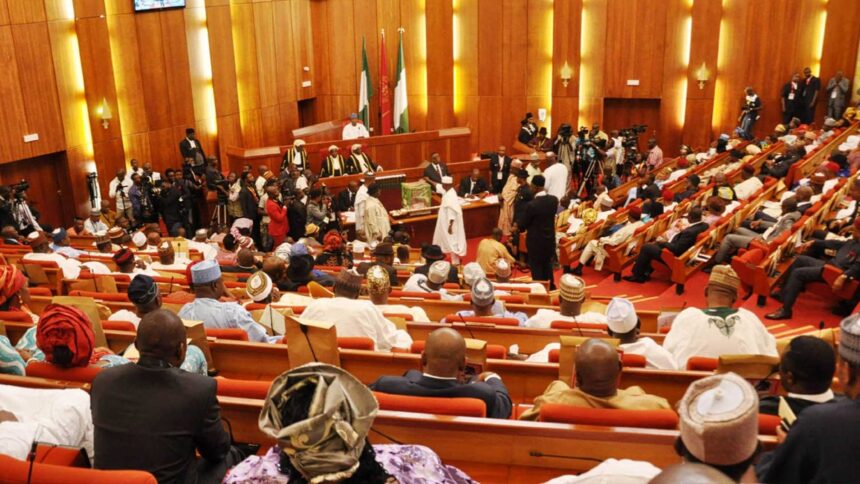
The Nigerian Senate has flagged fragile outbreak preparedness across the country as the burden from Lassa fever, cholera, and other epidemic prone diseases continues to grow. The warning, raised during recent legislative deliberations, adds political weight to concerns that public health experts have voiced for months about gaps in Nigeria’s capacity to detect and respond to disease threats before they spiral.
A Health System Under Continuous Pressure
Related News
Nigeria has managed multiple simultaneous disease outbreaks throughout 2026, including Lassa fever, cholera, and ongoing vigilance against a possible Ebola importation from Central Africa. The NCDC has reported that the country is managing between seven and eight outbreaks at any given time, a workload that stretches surveillance, laboratory, and healthcare worker capacity thin.
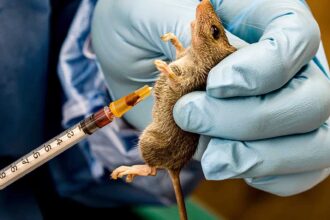
Lassa fever alone has claimed over 200 lives in 2026, with a case fatality rate of 25.1 per cent, significantly higher than the same period last year. Cholera cases have surged by 73 per cent in May compared to 2025, infecting more than 5,200 people across 33 states. These numbers underline why lawmakers are now raising the alarm publicly.
The Senate’s Concerns
Related News
Senators highlighted the urgent need to enhance Nigeria’s readiness against Ebola and other epidemic prone diseases, pointing to gaps that go beyond any single outbreak. Their concerns reflect a broader recognition that Nigeria’s health security infrastructure, while improving, has not kept pace with the frequency and scale of disease threats the country now faces.
Furthermore, the persistent under funding of state level health systems remains a structural challenge. Many states rely heavily on federal allocations and have limited internally generated revenue to invest in laboratory upgrades, healthcare worker training, or emergency stockpiles.
A Path Toward Stronger Preparedness
The recent Nigeria United States health partnership, which commits Nigeria to allocating at least six per cent of executed budgets to health, offers a potential pathway toward addressing some of these structural gaps. However, the Senate’s warning suggests that lawmakers want to see that commitment translated into concrete action at both federal and state levels.
For ordinary Nigerians, the stakes are immediate. Every outbreak that catches the health system unprepared costs lives that better preparation could have saved. The Senate’s intervention signals that fixing this gap is no longer just a technical health ministry concern. It is now a national legislative priority.