

Nigeria’s leading economists and financial experts pushed back this week against key policy prescriptions contained in the International Monetary Fund’s 2026 Article IV Consultation Report, rejecting recommendations to raise the Value Added Tax rate and introduce excise duties on telecommunications services, even as they endorsed the Fund’s separate warning against a proposed 5 billion dollar loan from a United Arab Emirates bank.
The IMF’s Article IV statement recommended that Nigeria raise its VAT rate, noting it remains low compared to regional peers, and suggested extending VAT to fuel products and introducing telecom excise duties to create fiscal space for development spending. The Fund argued that Nigeria’s revenue mobilisation efforts must go beyond administrative improvements to address the country’s persistently low revenue-to-GDP ratio.
However, economist Tilewa Adebajo and others including Akinwunmi Abidoye firmly rejected the VAT recommendation. Abidoye said Nigerians have absorbed significant reform-induced pressures over the past three years and that the timing is not right for a VAT increase. Similarly, economist Akinwunmi argued that what Nigeria needs is not higher tax rates but broader tax compliance, saying expanding the number of taxpayers would strengthen revenue without stifling growth. Economist Adonri separately described the IMF’s advice to equalise VAT with neighbouring countries as unacceptable.
Related News
Poverty and Food Insecurity Concerns Cited
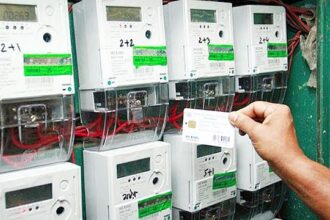
Professor of Economics at the University of Benin, Hassan Oaikhenan, cautioned against the proposals, noting that recent electricity tariff and telecommunications charge increases had already placed additional financial burden on households. He said the government is already generating substantial revenues, and adding more taxes through higher VAT and excise duties on telecommunications would be an overkill.
The IMF itself acknowledged the human cost of Nigeria’s reform trajectory, projecting that poverty and food insecurity could worsen amid higher global fuel and food prices. The Fund noted that poverty had already affected 63 per cent of Nigeria’s population by the end of 2025, with about 27 million Nigerians facing food insecurity during the year. The World Bank’s April 2026 Nigeria Development Update corroborated this trajectory, showing poverty rising from 56 per cent in 2023 to 63 per cent in 2025.
Related News
Economists Back IMF Warning on UAE Loan
However, the same group of economists endorsed the IMF’s warning against the Federal Government’s proposed 5 billion dollar financing arrangement with First Abu Dhabi Bank, which Nigeria’s Senate approved on March 31, 2026. The IMF flagged that the deal requires Nigeria to post naira-denominated government bonds as collateral worth 133.3 per cent of the borrowed amount, exposing the government to margin calls that could constrain monetary or exchange rate policy. IMF resident representative in Abuja Christian Ebeke said such structures carry risks and are not always transparent. Still, Nigeria’s executive director on the IMF board defended the instrument, saying authorities designed it to secure external financing under competitive conditions while remaining aware of associated risks. Notably, the combination of economist pushback on taxation and convergence with the IMF on debt risk reflects a nuanced and increasingly assertive Nigerian policy discourse rather than blanket acceptance or rejection of Fund advice. Consequently, the coming months will reveal which of these competing recommendations the Tinubu administration ultimately chooses to act on.