

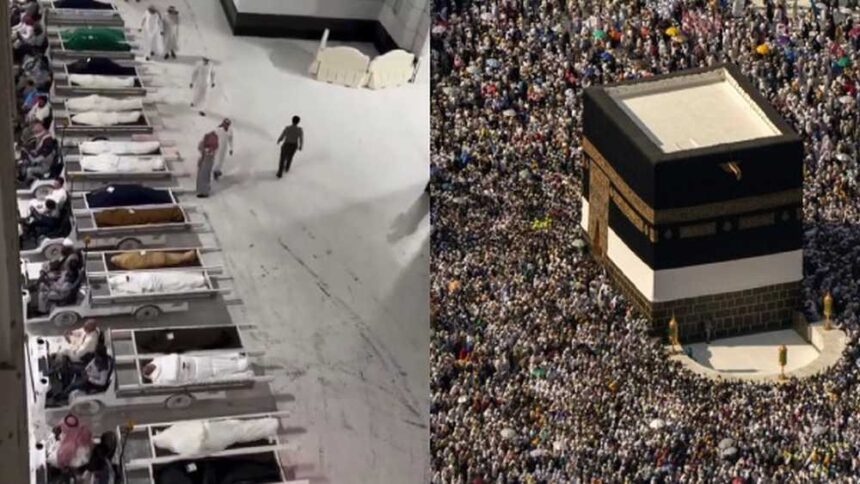
MECCA — A Nigerian pilgrim has died at Muzdalifah during the 2026 Hajj season, as extreme heat conditions during the pilgrimage claimed multiple lives from different countries. The death is the first publicly confirmed Nigerian fatality at the 2026 Hajj. NAHCON said it is providing support to the deceased’s family and working with Saudi authorities.
The pilgrim, a male whose identity has not been released, died shortly after arriving at Muzdalifah following the standing at Arafat on Tuesday, May 26. The journey from Arafat to Muzdalifah involves significant physical exertion in extreme heat. Many pilgrims walk part or all of the route. The combination of dehydration, heat exposure, and physical strain is deadly for those with underlying vulnerabilities.
Saudi health authorities said temperatures reached 42 to 45 degrees Celsius across the Hajj sites during the critical Arafat and Muzdalifah phases. The heat is exacerbated by the density of the crowd, which generates additional body heat in already scorching conditions. Saudi authorities deployed water misting stations, cooling buses, and thousands of medical personnel to manage the crisis.
Related News
Reports from Hajj monitoring organisations indicated that more than 100 pilgrims from various countries may have died during this year’s Hajj season, making it one of the deadliest in recent years. Full figures will only be available after the pilgrimage concludes and Saudi authorities compile their data.
Nigeria’s Medical Response
Nigeria deployed 430 medical personnel to Saudi Arabia for the 2026 Hajj season. The team includes doctors, nurses, and emergency technicians stationed across the major Hajj sites. Despite this deployment, the death of a Nigerian pilgrim shows that the health risks at Hajj cannot be completely eliminated.
Related News
NAHCON Director-General Jalal Ahmad Arabi urged all remaining Nigerian pilgrims to stay hydrated, rest whenever possible, and seek medical help at the first sign of distress. He said the medical team is available around the clock at Nigerian pilgrim facilities.
Furthermore, Islamic scholars said those who die during the Hajj are considered martyrs in the Islamic faith, a status that brings spiritual consolation to their families. However, the human cost of Hajj fatalities also raises legitimate questions about how the pilgrimage can be made safer, including through better scheduling of rituals to avoid peak heat hours and expanded cooling infrastructure.
Call for Reform
Global health organisations have repeatedly called on Saudi authorities to introduce measures that reduce heat-related Hajj deaths. These include moving some outdoor rituals to cooler periods of the day, expanding shaded infrastructure along pilgrimage routes, and introducing mandatory health certification for elderly pilgrims with serious medical conditions.
Saudi authorities have implemented several improvements in recent years. However, the sheer scale of the Hajj, with over two million pilgrims converging in a small geographical area, makes comprehensive protection extremely difficult.
NAHCON said it will conduct a full review of its medical response and pilgrim health protocols after the 2026 Hajj season concludes. It will use lessons from this year’s fatality to strengthen preparations for future seasons.