

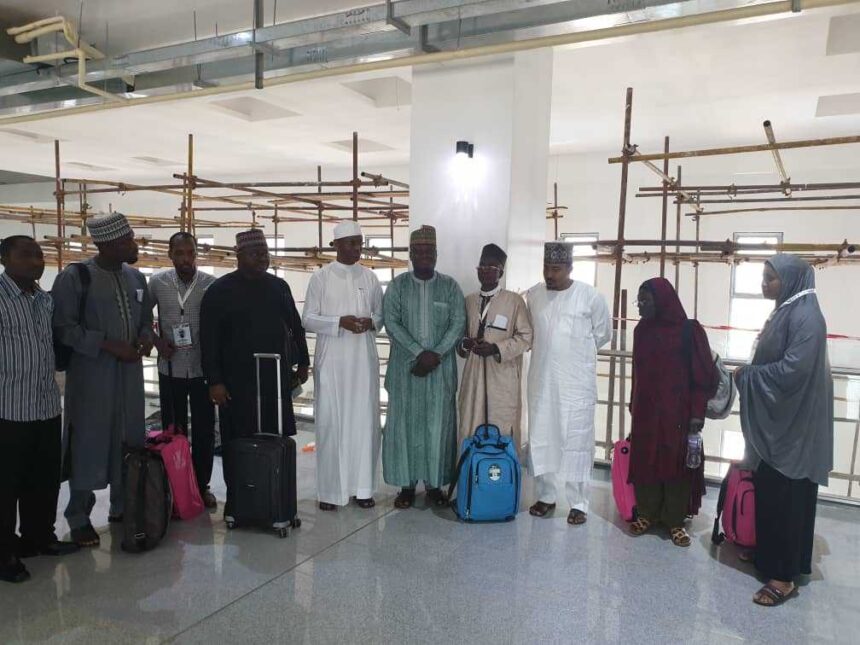
ABUJA — Nigeria has deployed 430 medical personnel to Saudi Arabia to provide comprehensive health care for Nigerian pilgrims during the 2026 Hajj season. The National Hajj Commission of Nigeria confirmed the deployment as the Hajj reached its spiritual peak with the Arafat gathering on Tuesday, May 26.
The medical team includes doctors, nurses, pharmacists, and emergency medical technicians. They are stationed at Nigerian pilgrim camps in Makkah, Mina, Muzdalifah, and Madinah, covering all the locations where pilgrims spend time during the rituals. A central medical coordination unit operates from the Nigerian House in Makkah.
NAHCON Director-General Jalal Ahmad Arabi said the medical team was selected through a competitive process and received special training on common Hajj-related medical conditions before departure. These include heat exhaustion, respiratory infections, orthopaedic injuries from crowd-related incidents, and management of pre-existing chronic conditions.
Related News
“We sent our best medical professionals to protect our pilgrims. The Saudi health authorities are also providing support. Our goal is for every Nigerian pilgrim to complete the Hajj safely and return home in good health,” Arabi said in a statement.
Health Challenges at Hajj
The Hajj is one of the most demanding physical events that millions of people undertake each year. Pilgrims walk several kilometres daily, stand for extended periods in extreme heat, and navigate large crowds during rituals. These conditions create significant health risks, particularly for older pilgrims and those with pre-existing medical conditions.
Related News
Temperatures at the Hajj sites this year have been particularly severe, exceeding 42 degrees Celsius at Mount Arafat on Tuesday. Heat stroke and heat exhaustion are the most common medical emergencies during peak Hajj rituals. The Nigerian medical team said it has deployed water distribution points and shade structures at Nigerian pilgrim camps to reduce heat exposure.
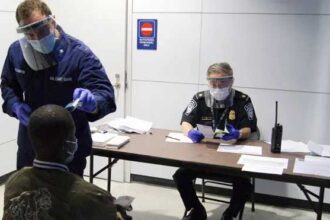
Furthermore, the Ebola outbreak in DRC has added a new dimension to Hajj health management this year. Saudi authorities required all pilgrims from DRC, Uganda, and South Sudan to undergo health screening before joining the general Hajj congregation. Nigerian pilgrims were not subject to the special screening as Nigeria has no confirmed Ebola cases.
After Hajj Care
The Nigerian medical team will remain in Saudi Arabia until the last pilgrim returns to Nigeria. Arabi said the team is particularly vigilant during the post-Arafat period when pilgrims perform the stoning of the Jamarat at Mina. The Jamarat ritual involves large crowds moving through tight spaces, creating risks of crush injuries and heat exposure.
When pilgrims return to Nigeria, NAHCON has asked port health officers at Nigerian airports to be vigilant for any signs of illness. Pilgrims who feel unwell after returning from Saudi Arabia are advised to seek medical attention immediately and to inform their doctor about their Hajj travel history.
The Hajj experience, despite its physical demands, is described by Nigerian pilgrims as deeply transformative. Many said the opportunity to pray at the holy sites alongside millions of Muslims from every corner of the world is an experience that changes their perspective on life and faith permanently.