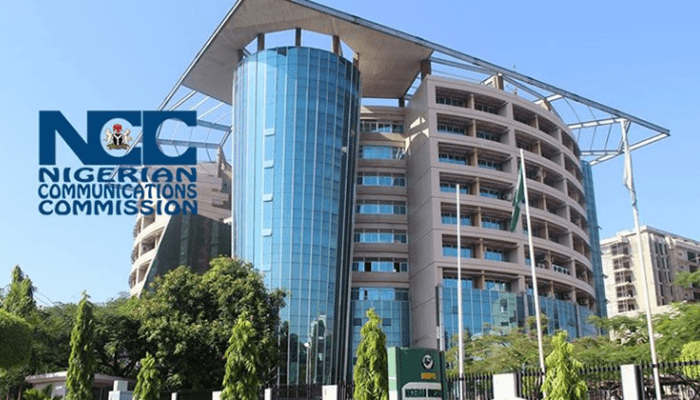
LAGOS — The Nigerian Communications Commission has presented a comprehensive National Telecommunications Policy 2026 aimed at transforming Nigeria’s digital infrastructure. The policy targets cheaper data, a faster 5G rollout, stronger consumer protection, and better cybersecurity for millions of Nigerians.
NCC Executive Vice Chairman Aminu Maida outlined the proposals at a policy review workshop in Lagos on Wednesday. He said the policy responds directly to subscriber frustrations, including rising data costs, persistent network outages, and growing exposure to online fraud and digital scams.
The scale of the challenge is clear from NCC’s own data. Nigeria recorded 19,384 fibre-optic cable cuts in 2025. The NCC has achieved only 25 percent of its planned 2026 network site upgrade targets. Meanwhile, Nigerians consumed over 4 billion gigabytes of data in the first quarter of 2026 alone.
Related News
“We are proposing a framework that addresses the everyday problems our subscribers face. Cheaper data, fewer outages, and stronger security are not aspirations. They are deliverables,” Maida said at the workshop.
Key Reform Areas
The proposed policy covers restructuring of telecom governance institutions and updating of the Nigerian Communications Act. It also includes stronger competition rules to prevent monopolistic behaviour, promotion of infrastructure sharing, and support for national roaming to improve rural coverage.
Related News
In addition, more transparent tariff regulation is a central feature. Under the new framework, operators will be required to publish clear pricing for all services. Hidden charges and unexplained deductions from data and airtime balances will be subject to stricter enforcement action.
Furthermore, spectrum management for 5G and future technologies will be overhauled. The NCC said efficient spectrum use is essential for Nigeria to deploy 5G services at scale. The current framework has slowed 5G deployment compared to peer African countries including South Africa and Kenya.
Industry and Consumer Views
Telecom operators said they support the policy direction but need the government to resolve their operational challenges at the same time. These include multiple and overlapping taxes, right-of-way fees, and vandalism of infrastructure. Operators say any policy that does not address these issues will fall short of its goals.
Consumer groups praised the focus on data cost reduction. Nigerians pay some of the highest data prices in Africa relative to average income. A policy that drives down costs would benefit millions who currently limit their internet use because they cannot afford reliable connectivity.
The NCC said stakeholder consultations on the policy will continue. A final version of the National Telecommunications Policy 2026 is expected to be adopted by the third quarter of this year. Implementation of key reforms is targeted to begin before the end of 2026.