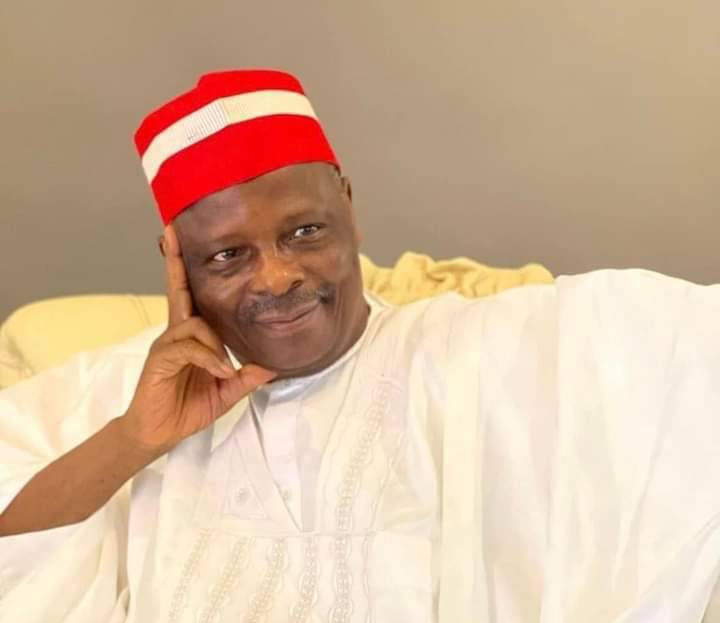


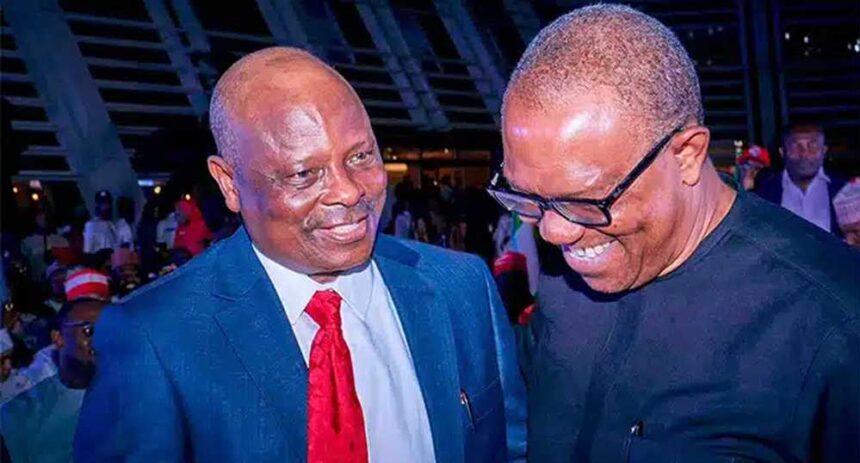
ABUJA — Former Labour Party presidential candidate Peter Obi and NNPP leader Rabiu Kwankwaso have both left the African Democratic Congress coalition. Their exit comes as INEC’s May 30 primary deadline approaches, deepening the fragmentation of Nigeria’s opposition heading into 2027.
Both men had joined the ADC as part of a grand opposition coalition that also includes Atiku Abubakar, Rotimi Amaechi, and Nasir El-Rufai. The coalition was formed with the stated goal of fielding a single presidential candidate against President Tinubu in 2027.
Sources say Obi and Kwankwaso left after it became clear that the coalition could not agree on a consensus candidate. Obi is widely seen as unwilling to step down for Atiku, and Atiku is unlikely to accept Obi as the coalition’s flag bearer. The impasse proved insurmountable.
Related News
Kwankwaso is also exploring a return to the NNPP, the party he led in the 2023 election. His northern base remains loyal to him personally. Running under NNPP again gives him more control over his campaign and political future.
A Gift to Tinubu
Political analysts say the ADC split is a significant gift to President Tinubu. In 2023, APC won the presidency with just under 37 percent of the vote because opposition parties split the remaining votes. A similar or worse fragmentation in 2027 could hand Tinubu a second term even more easily.
Related News
TheCable’s analysis shows that if Atiku, Obi, and Kwankwaso all run separately, the anti-Tinubu vote could be split three or four ways. In that scenario, Tinubu would need only to hold his 2023 base to win comfortably.
Furthermore, the May 30 primary deadline adds urgency to the crisis. Any party that does not complete a valid primary by that date loses its right to field candidates for the offices involved. If ADC fails to hold a credible primary, its status for 2027 could be in jeopardy.
What Comes Next
Obi’s next political home is unclear. His Labour Party support base remains significant, especially in the south-east and among young urban voters. Some Labour Party leaders have called on him to return to the party he led in 2023.
Meanwhile, the Makinde faction of the PDP continues to push for a united opposition. Governor Makinde’s Reset Nigeria Movement is actively reaching out to figures across party lines. However, analysts say his efforts face the same fundamental problem: too many egos and too few tickets.
The 2027 opposition story is evolving fast. Events between now and June will determine whether Nigerian opposition politics can find even a basic level of coherence, or whether it remains the fragmented landscape that has kept the APC dominant since 2015.