


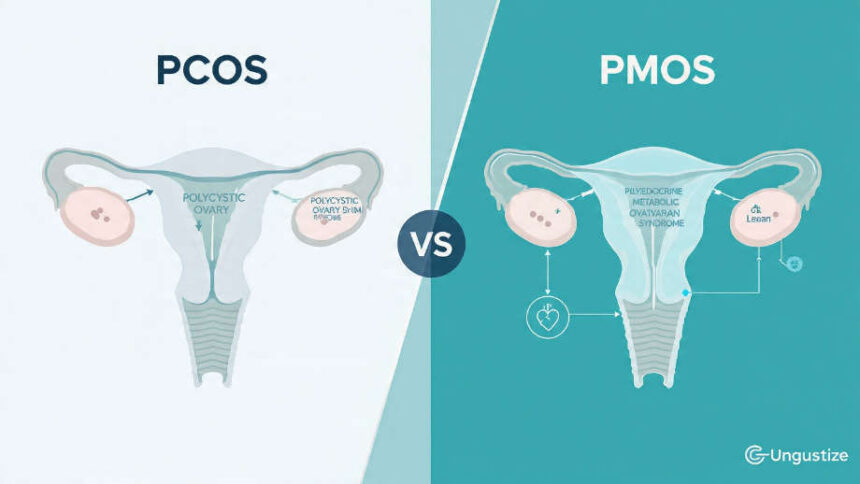
LAGOS — The global medical community has officially renamed polycystic ovary syndrome, known as PCOS, to polycystic metabolic and ovarian syndrome, or PMOS. The change marks a major shift in how doctors understand and treat the condition.
Channels Television and other health outlets reported the renaming this week. Medical experts say the new name better reflects what the condition actually involves. The old name focused on ovarian cysts, which are not always present in affected women.
The new name highlights the metabolic nature of the disorder. PMOS affects hormone levels, insulin resistance, and metabolic health across the body. Experts say the change will lead to better diagnosis and more targeted treatment.
Related News
Dr Adaeze Oreh, who was recently elevated to the rank of Professor of Medicine in Nigeria, described the renaming as long overdue. “This is not just a change in words. It is a change in how we see and treat millions of women,” Prof. Oreh said.
Why the Name Change Matters
PCOS, or now PMOS, affects roughly one in ten women of reproductive age globally. In Nigeria, the condition is poorly understood and widely underdiagnosed. Many affected women spend years without a correct diagnosis.
Related News
Moreover, the old name led many doctors to focus only on ovarian scans. Women without visible cysts were often told they did not have the condition, even when they showed other symptoms like irregular periods and excess hair growth.
The new PMOS name shifts focus to the full clinical picture. Doctors will now assess insulin levels, hormonal profiles, and metabolic markers more thoroughly. This broader approach is expected to catch more cases earlier.
Impact in Nigeria
In Nigeria, women’s health advocates have welcomed the change. However, they warn that awareness of the new name and diagnostic approach must reach primary health centres across the country. Many rural facilities lack the equipment and trained staff to carry out metabolic assessments.
The Federal Ministry of Health has not yet issued a directive on adopting the new name officially in Nigeria. Health workers say they expect guidance from the ministry and the Nigerian Medical Association in the coming weeks.
Consequently, women experiencing symptoms like irregular periods, unexplained weight gain, or excess body hair are advised to see a gynaecologist or endocrinologist. Early detection and management of PMOS can prevent long-term complications including type 2 diabetes and heart disease.