

In European diplomacy, unanimous decisions are hard to reach. Every single one of the EU’s 27 member states must agree. That makes Monday’s decision — all 27 in agreement to sanction Israel — a genuinely significant moment.
What Happened
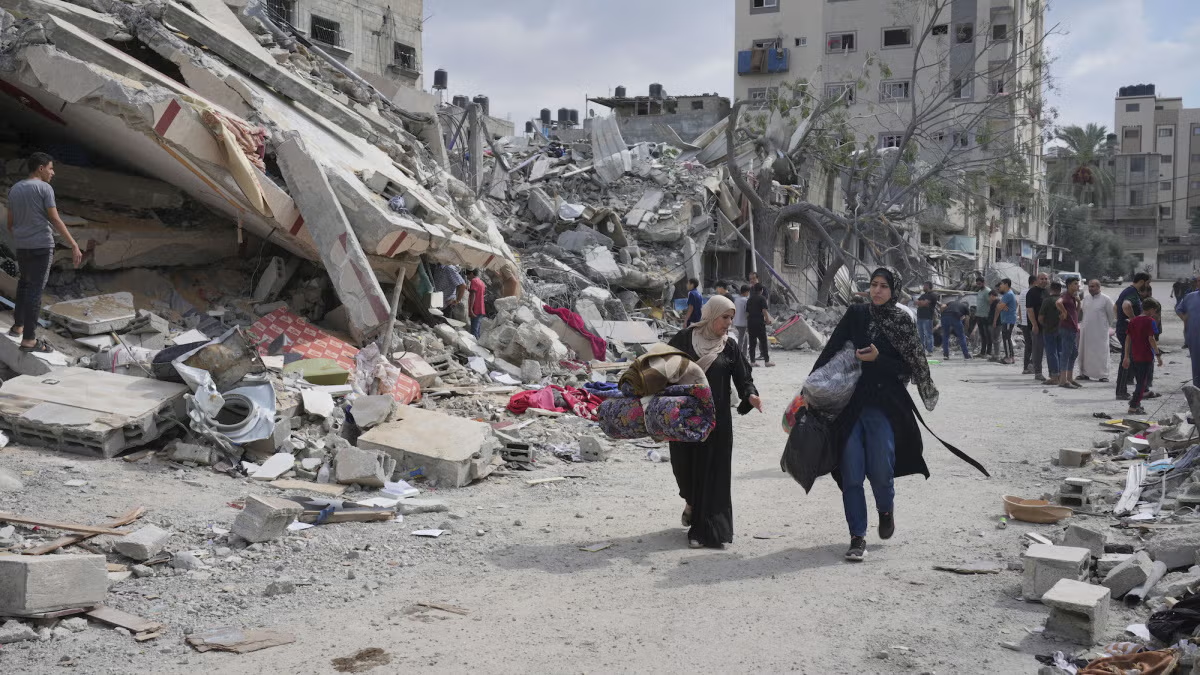
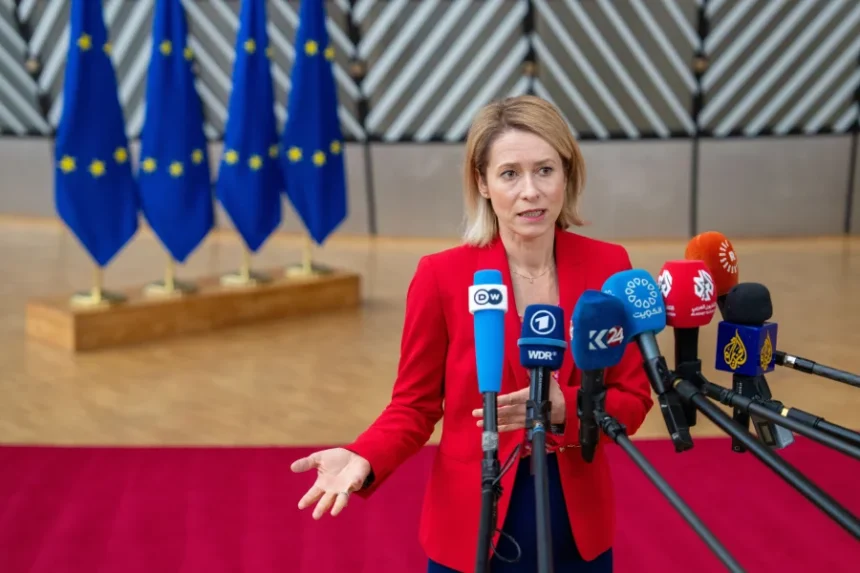
EU foreign ministers gathered in Brussels on Monday and reached a unified position: sanctions on Israel, driven by what they described as growing outrage at the humanitarian situation in Gaza. EU foreign policy chief Kaja Kallas confirmed the decision after the meeting.
Related News
The specific targets and the full scope of the sanctions were still being detailed. But the message was clear: Europe, after months of increasingly sharp statements and internal debate, has moved from words to action.
Why This Is Historic
The EU has criticised Israeli military operations in Gaza before. Some member states have been louder than others. But a unanimous sanctions decision changes the nature of the relationship between Europe and Israel significantly. It signals that the bloc is no longer willing to maintain its previous diplomatic posture.
Related News
The Knesset Vote
At the same time, Israel’s parliament voted 93-0 to pursue accountability for the October 7 attack — the one that sparked the conflict. The near-unanimous vote reflected the depth of feeling within Israel about that day.
What This Means Globally
For Nigeria and the rest of Africa — where public opinion on the Gaza conflict has been heavily sympathetic to Palestinian civilians — Europe’s move may reinforce the sense that the international community is shifting. It will also place new pressure on the United States, which has largely shielded Israel from formal international consequences, as its key ally moves in a different direction.