

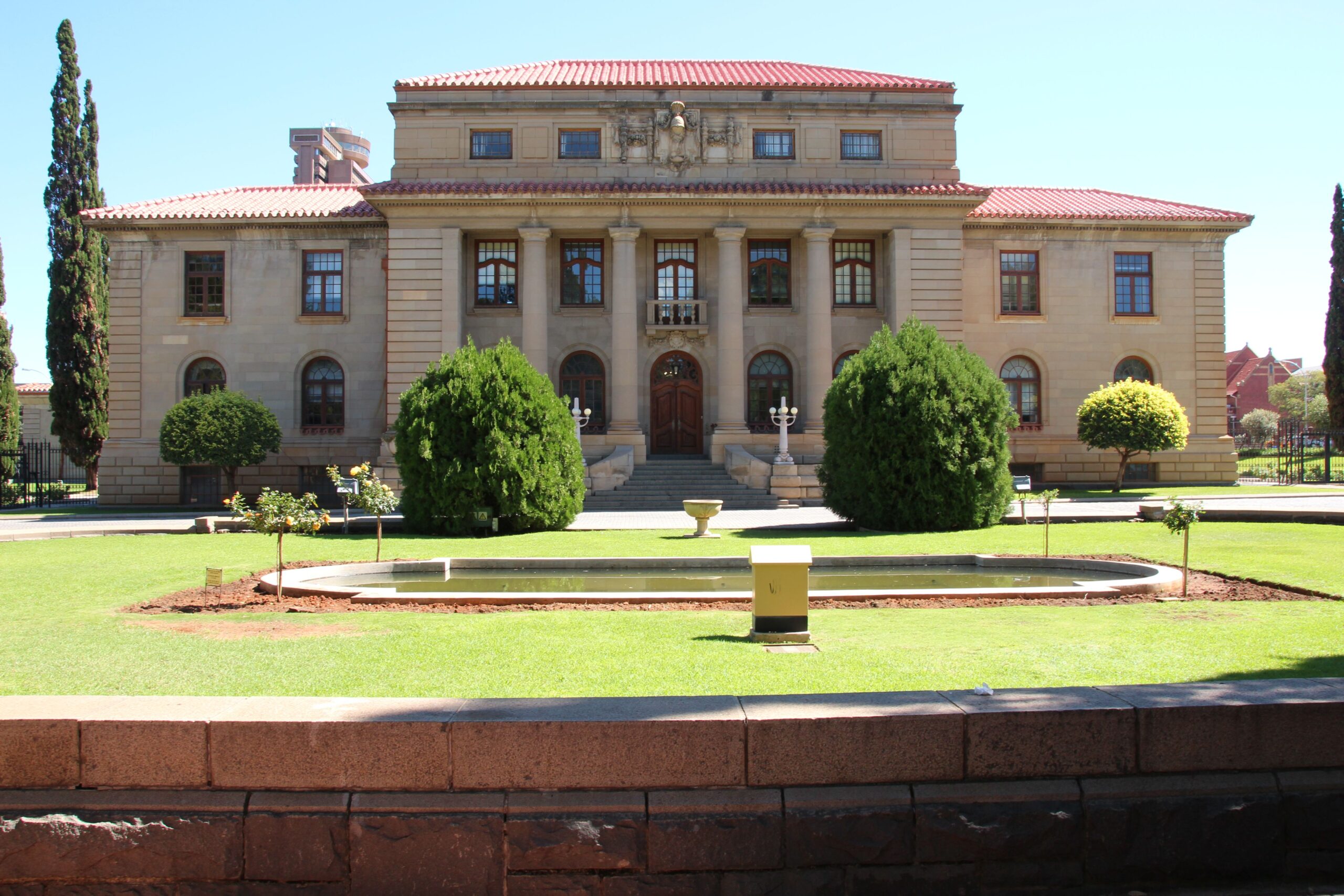
A South African court has rejected a compensation claim worth about N430 million filed by a Nigerian man over his 117-day detention, bringing a high-profile legal battle to a close.
The claimant had approached the court seeking damages, arguing that his detention caused significant hardship and violated his rights. However, the court ruled against the request, declining to award the compensation sought.
The decision marks a major setback for the Nigerian, who had maintained that the lengthy detention warranted financial redress. While the details of the ruling centred on legal arguments presented before the court, the judgment effectively ended his bid for compensation in its current form.
Related News
The case drew attention because of the amount involved and the length of the detention period. Human rights advocates and legal observers have often stressed the need for authorities to balance law enforcement responsibilities with the protection of individual rights, especially in cases involving foreign nationals.
For the claimant, the outcome means that compensation for the detention will not be granted through this court decision. The ruling also highlights the challenges individuals face when pursuing damages claims against state institutions or law enforcement agencies.
Legal analysts say compensation cases generally depend on a court’s assessment of the circumstances surrounding an arrest or detention, as well as the evidence presented to prove wrongdoing and financial loss. In this instance, the court found no basis to grant the amount requested.
Related News
The judgment is expected to generate discussion among legal practitioners and migrant communities, particularly on issues relating to detention, due process and access to justice. It also underscores the role of the courts in determining whether claims of unlawful detention meet the legal threshold for compensation.
Although the claimant’s request was unsuccessful, the case has renewed focus on the treatment of detainees and the legal remedies available to those who believe their rights have been infringed. For many observers, the ruling serves as another reminder of the complex intersection between immigration, law enforcement and judicial oversight in South Africa.