

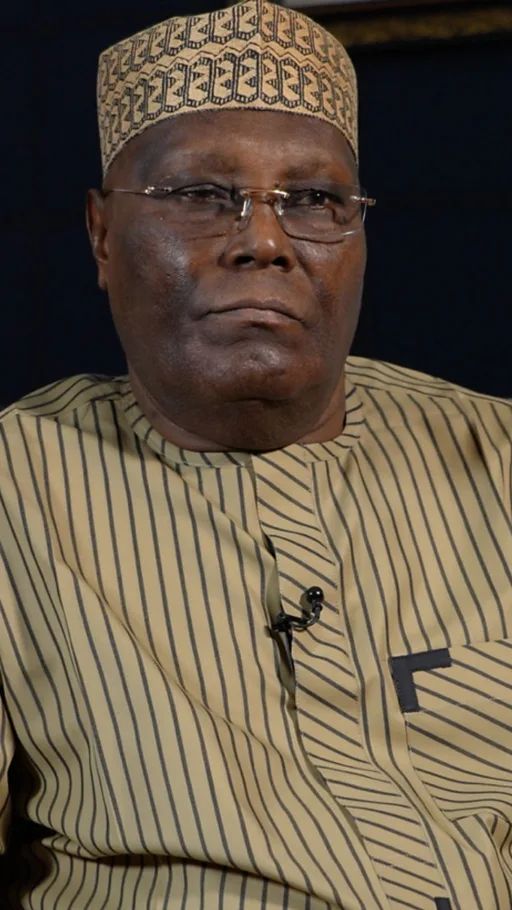
A fresh political debate has emerged after former Vice President Atiku Abubakar mocked the Presidency over claims that artificial intelligence was used to create or enhance images of crowds at a political rally.
Atiku’s criticism has added another dimension to discussions about the growing role of technology in politics, particularly at a time when concerns about misinformation and digitally altered content are increasing worldwide.
The former presidential candidate questioned the authenticity of the crowd images circulating online and suggested that public officials should focus on presenting accurate representations of political events. His remarks quickly generated reactions from supporters and critics, sparking intense discussions across social media platforms.
Related News
The controversy reflects a broader challenge facing political communication in the digital age. As artificial intelligence tools become more accessible, debates over the authenticity of photos, videos and campaign materials have become increasingly common.
Supporters of Atiku argued that public trust depends on transparency and factual representation, especially when political figures seek to demonstrate public support. They maintained that any attempt to manipulate public perception through edited or artificially generated content could undermine confidence in political institutions.
On the other hand, defenders of the Presidency dismissed the allegations and questioned the basis of the claims. They argued that political opponents were using the issue to score points rather than focusing on governance and policy matters.
Related News
Beyond the partisan exchanges, analysts say the controversy highlights the need for greater scrutiny of digital content. Experts have repeatedly warned that advances in artificial intelligence make it easier to create realistic images that can influence public opinion if not properly verified.
The development has once again drawn attention to the importance of media literacy and fact-checking in Nigeria’s political space. Citizens are increasingly encouraged to verify information before sharing content online, particularly material capable of shaping public perception.
As reactions continue, the debate has moved beyond the specific rally images to larger questions about credibility, digital accountability and the use of emerging technologies in political communication.
For many observers, the episode serves as a reminder that public confidence is often strengthened when political messaging is backed by transparency and verifiable evidence.