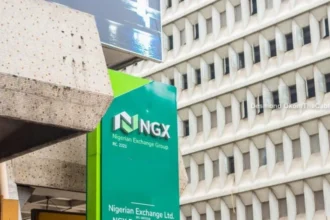


The Nigerian Exchange (NGX) has announced new initiatives to deepen cross‑border investment opportunities across Africa. The move is aimed at strengthening regional integration and expanding access to capital markets. Officials say the development will enhance investor participation and boost economic growth. The announcement was made during a recent capital market forum in Lagos.
Nigeria’s capital market has long been a key driver of economic activity in West Africa. Over the years, the NGX has sought to position itself as a hub for regional investment. Past collaborations with African exchanges have laid the foundation for greater integration. However, challenges such as regulatory differences and limited infrastructure have slowed progress. The latest initiative reflects renewed determination to overcome these barriers.
According to NGX executives, the plan involves strengthening partnerships with other African exchanges and harmonizing listing requirements. The Exchange will also leverage technology to facilitate seamless trading across borders. Investors will gain easier access to diverse markets, while companies can raise capital beyond their home countries. The initiative is expected to roll out in phases, beginning with pilot programs in select regions.
Related News
Market analysts welcomed the announcement, describing it as a step toward building a unified African capital market. Investors expressed optimism about the potential for greater diversification. Regulators, however, emphasized the need for strong oversight to prevent abuse. Civil society groups highlighted the importance of ensuring that small businesses benefit from the initiative. The development has sparked discussions on Africa’s readiness for deeper financial integration.
Experts believe cross‑border investment will unlock new growth opportunities for African economies. By attracting foreign capital, countries can finance infrastructure and development projects. Strategically, the initiative positions Nigeria as a leader in regional financial integration. It may also boost investor confidence and strengthen Africa’s bargaining power in global markets. However, success will depend on effective regulation and cooperation among participating nations.
The Nigerian Exchange’s push for cross‑border investment marks a significant step in Africa’s financial integration journey. While challenges remain, the initiative offers hope for stronger markets and improved economic resilience. The coming months will reveal how quickly partnerships materialize and whether investors embrace the opportunities. For Nigeria, the move reinforces its role as a regional economic powerhouse.