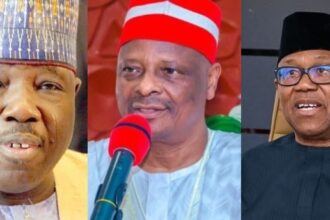


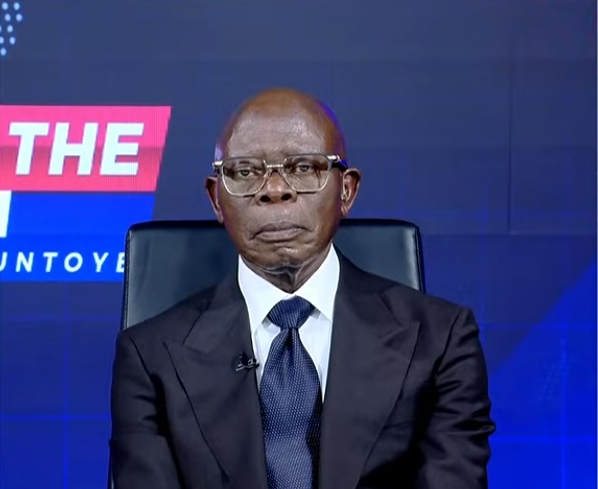
Adams Oshiomhole has sharply criticised Atiku Abubakar’s recent pledge to restore fuel subsidy if elected in 2027, recalling that Atiku once lectured him on why subsidy removal was necessary. The clash highlights Nigeria’s ongoing debate over subsidy policy, with critics questioning Atiku’s consistency and motives.
The former Edo State governor stated this in an interview with TVC on Tuesday while reacting to Atiku’s campaign promise to reverse the removal of fuel subsidy.
As Vice President under Olusegun Obasanjo, Atiku strongly advocated for subsidy removal, describing it as wasteful. Oshiomhole, then NLC president, recalls being lectured by Atiku on why subsidy had to go.
Related News
Atiku proposed privatising the Nigerian National Petroleum Corporation (NNPC), insisting even “if they kill him” he would pursue it.
Ahead of the 2027 elections, Atiku now promises to restore subsidy, arguing it will reduce fuel costs and ease living expenses.
Oshiomhole argues Atiku’s reversal undermines his credibility, asking how one can privatise NNPC yet still dictate fuel prices.
Related News
He suggests Atiku’s promise is populist, aimed at winning votes rather than offering a sustainable economic plan.
Oshiomhole insists Nigeria cannot afford to return to subsidy, which historically drained government finances and encouraged inefficiency.
Warns restoring subsidy could set Nigeria back 20 years, destabilise investor confidence, and reverse economic gains.
Labels Atiku’s plan “serious ignorance of governance,” noting subsidy removal freed funds for states to pay salaries and pensions.
Defends Atiku, claiming subsidy return could cut petrol prices to ₦400–₦500 per litre, easing transport and commodity costs.
Restoring subsidy could cost trillions annually, worsening deficits and limiting funds for infrastructure and social programs.
Many Nigerians, facing high fuel prices, welcome relief promises, but experts caution against short-term populism over long-term stability.
The subsidy debate is shaping the 2027 election narrative, with Atiku positioning himself as a champion of affordability, while critics frame him as inconsistent.