

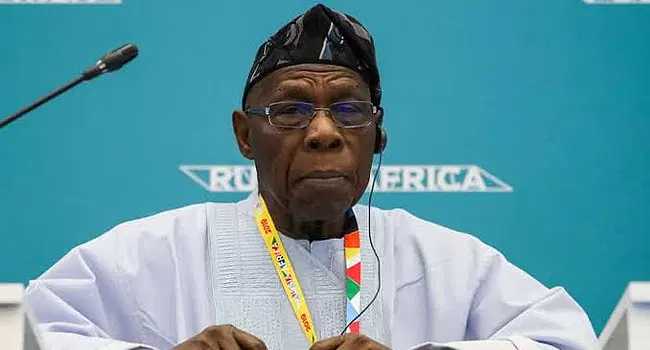
The United Nations (UN) and the African Union (AU) have appealed to former Nigerian President Olusegun Obasanjo to intervene in Ethiopia’s peace process following renewed tensions between the federal government and regional forces.
Obasanjo, who previously served as the AU High Representative for the Horn of Africa, played a key role in brokering the 2022 peace agreement that ended the two-year conflict between Ethiopia’s central government and the Tigray People’s Liberation Front (TPLF). However, recent reports of clashes and political disagreements have raised fears that the fragile peace may be unraveling.
Diplomatic sources confirmed that both the UN and AU have reached out to Obasanjo, urging him to resume his mediation efforts to prevent a relapse into violence. The request comes amid growing concern over humanitarian conditions in northern Ethiopia, where aid access remains restricted and displaced persons continue to face hardship.
Related News
According to officials familiar with the discussions, the renewed tensions stem from disagreements over implementing the peace deal, particularly regional autonomy, disarmament, and the reintegration of former combatants. The AU believes Obasanjo’s experience and credibility could help rebuild trust among the parties.
“The peace agreement was a milestone, but sustaining it requires continued dialogue,” an AU official said. “President Obasanjo’s involvement was instrumental before, and his return could help stabilize the situation.”
The UN has also expressed concern about reports of sporadic violence and political unrest in parts of Tigray and Amhara regions. UN spokespersons have emphasized the need for inclusive dialogue and respect for human rights, urging all sides to avoid actions that could jeopardize the peace process.
Related News
Obasanjo, known for his diplomatic engagements across Africa, has not publicly commented on the renewed request. During his previous mediation, he was widely praised for bringing both sides to the negotiating table despite deep mistrust. His approach combined shuttle diplomacy with quiet consultations involving regional leaders and international partners.
Analysts say the renewed appeal to Obasanjo underscores the AU’s reliance on experienced African statesmen to resolve continental conflicts. They note that Ethiopia’s stability is crucial to the Horn of Africa, where insecurity in one country often spills across borders.
The Ethiopian government has maintained that it remains committed to the peace deal, but opposition groups and regional leaders have accused federal authorities of slow implementation and limited transparency. International observers warn that without renewed mediation, the situation could deteriorate further.
Humanitarian agencies continue to call for unrestricted access to affected communities, citing food shortages and limited medical supplies. The UN estimates that millions still require assistance despite the formal end of hostilities.
As diplomatic efforts intensify, attention now turns to whether Obasanjo will accept the renewed call to mediate. His involvement could mark a critical step toward restoring confidence in Ethiopia’s peace process and preventing a return to conflict.
For many across Africa, the situation serves as a reminder that peace agreements require sustained commitment and credible leadership to endure.