


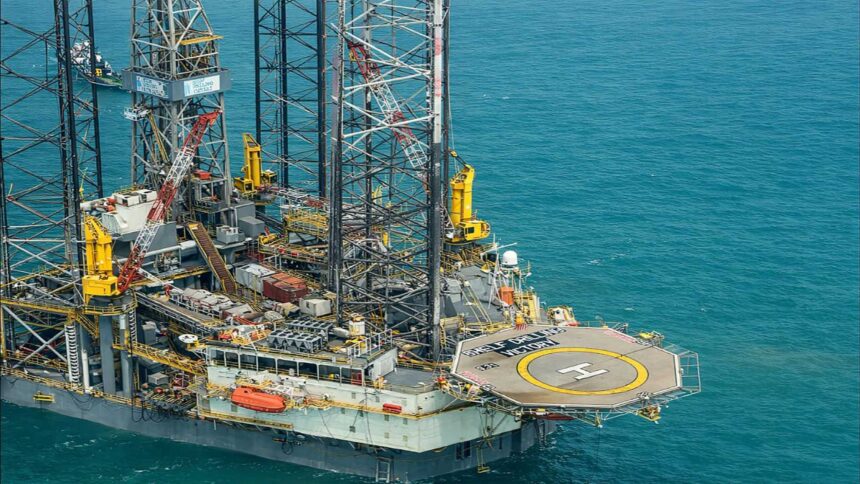
Abuja, Nigeria — Nigeria’s oil production has slowed in recent months despite a decade-long increase in the number of drilling rigs, raising questions about the efficiency of investments in the country’s petroleum sector.
Industry data show that while rig counts have steadily risen over the past ten years, output has not kept pace, with production levels dipping below expectations. Analysts say the trend highlights structural challenges in Nigeria’s oil industry, including aging infrastructure, theft, and underinvestment in critical technology.
Nigeria, Africa’s largest oil producer, relies heavily on crude exports for government revenue and foreign exchange. The recent wobble in production comes at a time when global oil markets are facing volatility, with OPEC members under pressure to stabilize supply.
Related News
Energy experts argue that the mismatch between rig expansion and production output reflects deeper operational inefficiencies. “Increasing rigs alone does not guarantee higher production,” said an oil sector analyst in Lagos. “Without addressing pipeline vandalism, maintenance delays, and funding gaps, Nigeria will continue to struggle to meet its targets.”
The Nigerian National Petroleum Company Limited (NNPC Ltd) has acknowledged the challenges, citing crude theft and sabotage in the Niger Delta as major obstacles. Officials say efforts are ongoing to secure pipelines and improve monitoring systems, but progress has been slow.
International investors have also raised concerns about regulatory uncertainty. The implementation of the Petroleum Industry Act (PIA), designed to reform the sector, has been uneven, leaving some operators cautious about committing new capital.
Related News
Meanwhile, global energy transition policies are reshaping investment priorities. With many oil majors shifting focus to renewable energy, Nigeria faces the dual challenge of sustaining crude output while preparing for a future less dependent on fossil fuels.
Despite these hurdles, government officials remain optimistic. The Ministry of Petroleum Resources has announced plans to attract fresh investment through improved fiscal terms and partnerships with private operators. “Nigeria still holds vast reserves, and with the right policies, we can unlock more value,” a senior official said.
For communities in oil-producing regions, the slowdown in output has mixed implications. While reduced activity may ease environmental pressures, it also threatens jobs and local revenue streams tied to oil operations.
Observers say Nigeria’s ability to reverse the decline will depend on tackling long-standing issues of governance, infrastructure, and security. Until then, the country’s oil production is likely to remain unstable, despite the visible growth in rigs.