

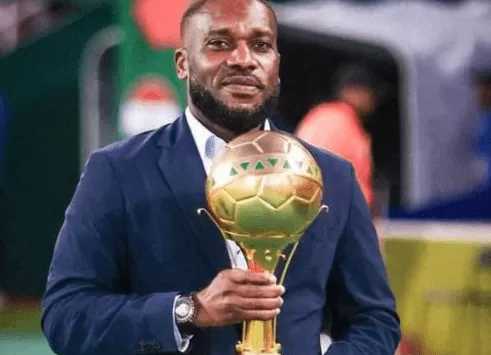
Former Super Eagles captain, Austin “Jay-Jay” Okocha, has reflected on Nigeria’s missed opportunities in international football, blaming the country’s absence from the 1996 Africa Cup of Nations (AFCON) and subsequent Confederation of African Football (CAF) ban for denying the team more trophies.
Nigeria, then reigning African champions after winning the 1994 AFCON in Tunisia, were barred from defending their title in South Africa two years later following political tensions between the Nigerian government and the host nation. CAF later extended sanctions, preventing the Super Eagles from participating in subsequent competitions.
Okocha, speaking in a recent interview, described the period as one of the most frustrating moments in his career. “We had one of the strongest squads in Africa at the time. Missing the 1996 AFCON and being banned afterwards cost us dearly. I believe we could have won more titles,” he said.
Related News
The midfielder, widely regarded as one of Nigeria’s greatest players, noted that the team’s golden generation included stars such as Nwankwo Kanu, Daniel Amokachi, Finidi George, and Sunday Oliseh. He argued that the squad had the quality to dominate African football throughout the 1990s.
Analysts agree with Okocha’s assessment, pointing out that Nigeria’s team was at its peak during that era. The Super Eagles had impressed at the 1994 FIFA World Cup in the United States, reaching the Round of 16 and earning global recognition for their attacking style.
The political decision that led to Nigeria’s exclusion from the 1996 AFCON was widely criticized at the time. Many football stakeholders argued that sports should not have been dragged into diplomatic disputes.
Related News
Okocha explained that the ban disrupted the team’s rhythm and denied players the chance to build on their success. “We lost momentum. Football is about continuity, and those missed tournaments affected our progress,” he added.
Despite the setback, Nigeria went on to win the 1996 Olympic football gold medal in Atlanta, a triumph Okocha described as bittersweet. “The Olympic victory was historic, but we knew we could have achieved more with the national team if not for the ban,” he said.
Football historians believe Nigeria’s absence from the 1996 AFCON and subsequent competitions created a gap that allowed other African teams to rise. South Africa, Egypt, and Cameroon capitalized during that period, winning titles that Nigeria might have contested.
Today, Okocha’s reflections serve as a reminder of how politics and governance can impact sports. His comments have reignited discussions about the importance of insulating football from political interference to safeguard the interests of players and fans.
For many Nigerians, the missed opportunities of the 1990s remain a painful chapter in the country’s football history. Okocha’s words highlight the enduring belief that the Super Eagles could have added more silverware to their cabinet during their golden era.