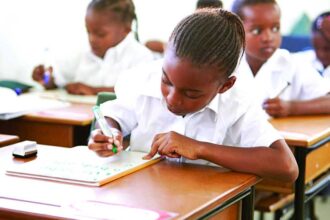


Private schools across Nigeria are facing growing tension as parents protest recent tuition fee hikes, citing economic hardship and the rising cost of living.
Reports from Lagos, Abuja, and other major cities indicate that many schools have increased fees ahead of the new academic session, sparking complaints from parents who say the hikes are unaffordable.
Parents argue that the increases come at a time when households are already struggling with inflation, fuel price hikes, and rising food costs. Some families have threatened to withdraw their children from private schools, while others are demanding government intervention.
Related News
A parent in Abuja, Mrs. Grace Okafor, described the situation as unbearable. “We are already battling with high living expenses. Now schools are raising fees by 30 to 50 percent. Many of us cannot cope,” she said.
School administrators, however, defend the decision, pointing to rising operational costs. They cite higher expenses for electricity, diesel, teaching materials, and staff salaries as reasons for the adjustments. “We are not increasing fees out of choice. Running a school has become more expensive, and we must sustain quality education,” one school proprietor explained.
Education analysts warn that the crisis could widen inequality in access to quality education. With public schools struggling to meet standards, many parents rely on private institutions. Fee hikes, they argue, may push more children out of school or force families to settle for less affordable alternatives.
Related News
Civil society groups have also weighed in, urging the government to regulate tuition fees in private schools. They argue that while schools must cover costs, unchecked increases could undermine Nigeria’s education goals.
The National Parents Teachers Association of Nigeria (NAPTAN) has called for dialogue between schools and parents. Its officials say a balance must be struck to ensure that schools remain sustainable without overburdening families.
Meanwhile, some parents are exploring cooperative schooling models and community-based education initiatives as alternatives. Others are pressing for reforms in public schools to reduce dependence on private institutions.
The Federal Ministry of Education has acknowledged the concerns but noted that private schools operate independently. Officials, however, encouraged schools to show sensitivity to the economic realities facing families.
For now, the fee hike crisis remains unresolved, with parents and schools locked in a standoff. As the new academic session approaches, many families are left uncertain about how to manage the rising cost of education.
The situation underscores broader challenges in Nigeria’s education sector, where affordability, quality, and access remain pressing issues.