

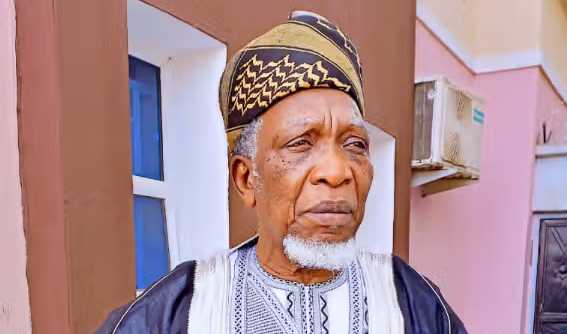
Prominent Islamic cleric Sheikh Sani Yahaya Jingir has stood by his earlier remarks on recent communal tensions, insisting he has no regrets over his statement.
Speaking during a public gathering, Jingir explained that his comments were made in response to what he described as provocations against his group. He maintained that his community had endured significant suffering as a result of the clashes.
“They started it, and we suffered,” Jingir said, stressing that his words were not intended to incite further division but to highlight the plight of those affected.
Related News
The cleric’s remarks have drawn mixed reactions, with some community leaders urging restraint and dialogue, while others accused him of deepening existing tensions.
Observers note that religious leaders in Nigeria often play influential roles in shaping public opinion, especially during periods of conflict. Analysts say Jingir’s insistence on standing by his statement reflects the broader challenges of balancing free expression with the need for peacebuilding.
Security experts have warned that inflammatory rhetoric can worsen fragile situations, particularly in regions already struggling with communal violence. They advise leaders to adopt conciliatory tones to prevent escalation.
In his address, Jingir called for fairness and justice, arguing that his community had been unfairly targeted. He urged authorities to investigate the root causes of the unrest and provide protection for vulnerable groups.
The cleric also appealed to followers to remain calm and avoid retaliation, emphasizing that peace remains essential for progress. “We must not allow our pain to turn into further conflict,” he said.
Government officials have yet to formally respond to Jingir’s latest comments, but security agencies continue to monitor developments closely.
Nigeria has witnessed recurring communal and religious tensions in several states, often triggered by disputes over land, resources, or political representation. Leaders across faiths have repeatedly been urged to use their platforms to promote dialogue and reconciliation.
For many Nigerians, Jingir’s remarks highlight the delicate balance between speaking out against perceived injustice and maintaining peace in diverse communities. The outcome of ongoing discussions among stakeholders will likely determine whether his words ease or inflame the situation further.