

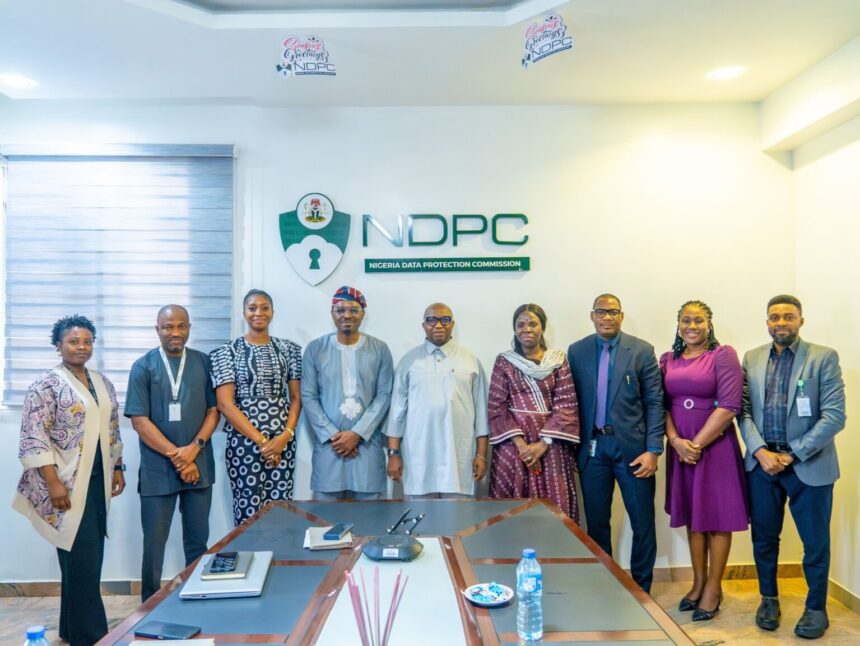
The National Data Protection Commission and technology giant Meta signed a two-year data protection initiative on Monday, June 9, 2026, aimed at deepening data privacy awareness, promoting compliance, and protecting the rights of Nigerian users across Meta’s platforms, which include Facebook, Instagram, and WhatsApp.
National Data Protection Commissioner Vincent Olatunji confirmed the signing, describing it as a landmark step toward building a culture of data responsibility within Nigeria’s fast-growing digital economy. The initiative will involve joint awareness campaigns, regulatory capacity development, and the creation of accessible information resources to help Nigerian users understand their data rights and how to exercise them effectively.
Meta said the partnership reflected its commitment to engaging constructively with national regulators in markets where its platforms have significant reach. Nigeria is one of Meta’s largest user markets in Africa, with tens of millions of Nigerians active across its platforms daily. The company said it would work with the NDPC to ensure that user data handling practices met the standards set by Nigeria’s Data Protection Act.
Related News
Protecting Nigerians in a Digital Age
The NDPC said the agreement was also designed to address the growing problem of data breaches, identity theft, and fraudulent use of personal data, which have become increasingly common in Nigeria as digital adoption accelerates. The commission said it was working to establish Nigeria as a benchmark for data protection standards in sub-Saharan Africa, and that partnerships with major technology companies were essential to achieving that goal.
However, digital rights advocates said the agreement would only deliver meaningful results if the NDPC maintained an independent enforcement posture and was willing to sanction Meta when violations occurred, rather than allowing the initiative to become a public relations arrangement. Still, the commission said it had the legal authority and the institutional will to hold all parties accountable to the terms of the partnership.
Related News
Furthermore, the NDPC initiative comes as Nigeria’s technology and fintech sectors face increased regulatory scrutiny on multiple fronts simultaneously. The FCCPC recently broke Optasia’s monopoly on airtime credit lending, the CBN issued new forex transaction guidelines, and the Nigerian Communications Commission was pushing for resolution of digital transaction disputes affecting consumers. Notably, the signing also coincided with the Federal Government’s iDICE programme onboarding 185 founders into the first cohort of its startup bridge initiative, underscoring the administration’s push to grow a structured digital economy. Consequently, regulatory activity in Nigeria’s technology space is at an all-time high, reflecting both the sector’s rapid growth and the governance challenges that come with it.
Hijri New Year Declared Public Holiday
In an unrelated government announcement, the Federal Government officially confirmed a date in June 2026 as a public holiday to mark the Hijri New Year, providing Nigerians with advance notice for planning. The holiday adds to what has already been a busy public calendar in 2026, with Democracy Day on June 12 also approaching. As a result, Nigerian workers and businesses are navigating a dense schedule of public holidays and political events in the second quarter of the year.