

LAGOS — The Nigeria Centre for Disease Control and Prevention has intensified nationwide surveillance following a deadly Ebola outbreak in the Democratic Republic of Congo and Uganda. The DRC outbreak has claimed over 80 lives so far. The World Health Organisation has declared it a Public Health Emergency of International Concern.
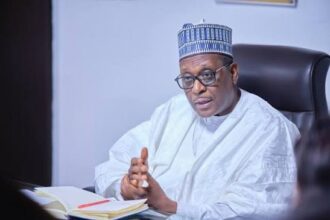
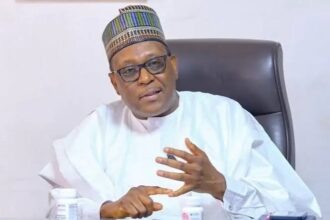
NCDC Director-General Dr Jide Idris confirmed the heightened alert on Monday. He said Nigeria currently has no confirmed Ebola case. However, the agency is not taking any chances given Nigeria’s long border and busy travel connections with the rest of Africa.
“We have activated enhanced surveillance at ports of entry and are closely monitoring the situation in the DRC and Uganda. Nigerians should remain calm but stay alert,” Idris said in the statement.
Related News
The current outbreak is linked to the Bundibugyo strain of Ebola virus. This strain is different from the more commonly known Zaire strain. WHO said it declared the PHEIC because of the rapid spread of the virus and weak health systems in the affected areas.
What Nigeria Is Doing
NCDC said it has reinforced surveillance at airports and land borders. Health workers at ports of entry are screening travellers for fever and other symptoms. The agency has also deployed rapid response teams and improved laboratory readiness in key states.
Related News
In addition, NCDC is working with state health authorities on community engagement. Officials are urging Nigerians to avoid contact with the blood or body fluids of sick people. They also advise against handling wild animals or bushmeat from unknown sources.
Furthermore, infection prevention and control measures at health facilities have been tightened. NCDC said all hospitals have been reminded to follow standard protocols for isolating suspected cases and protecting healthcare workers.
Why Nigeria Faces Risk
Nigeria has a history of importing infectious diseases from neighbouring countries. In 2014, a Liberian-American traveller brought Ebola into Lagos during the West Africa outbreak. Nigeria’s swift response that year was praised globally as a model for outbreak containment.
However, health experts warn that Nigeria’s health system remains vulnerable. Many hospitals still lack proper isolation units and personal protective equipment. Rural health facilities in particular are poorly equipped to handle a disease as deadly as Ebola.
The federal government has asked NCDC to present a full briefing on preparedness measures before the end of the week. Health advocates say now is the time to invest in preparation, before the virus has any chance of crossing into Nigeria.