


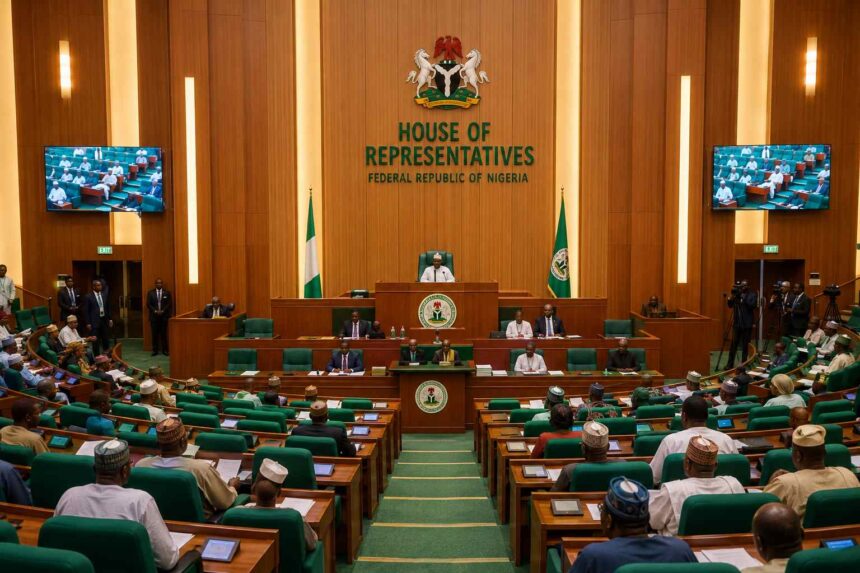
ABUJA — Nigeria’s House of Representatives has passed the State Police Bill in a historic vote of 289 in favour and just one against, marking the most significant shift in the country’s security architecture in decades.
The bill now moves to the Senate for concurrence before transmission to President Bola Tinubu for assent. Its passage ends years of debate over whether states should control their own police forces separate from the federal Nigeria Police Force.
Related News
A Long Time Coming
Supporters of the bill argue that state police would be better positioned to tackle localised insecurity. They say state governors understand their security environments better than a centralised command in Abuja.
“This is the beginning of a new chapter for Nigeria’s security,” said House Speaker Abbas Tajudeen after the vote. “The federal model has shown its limits. We must empower states to protect their own people.”
Related News
Concerns Raised
Critics, however, warn that state police could be weaponised by governors against political opponents. They point to the history of state-level law enforcement in Nigeria, which has often served political interests over public safety.
Human rights groups have called for strong oversight mechanisms. They want clear laws limiting how governors can direct state police operations.
Implementation Timeline
The bill proposes a two-year transition period during which states would establish their police structures. The Federal Government would provide initial funding and training support.
Security analysts describe the passage as a watershed moment. Nevertheless, they caution that the quality of governance at state level will ultimately determine whether the reform succeeds.