

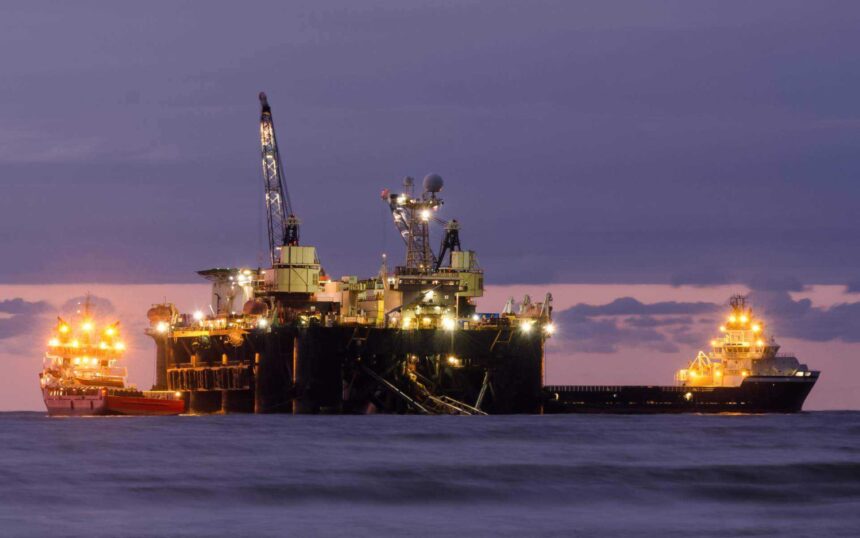
ABUJA — Nigeria’s oil exploration and drilling activities declined by 41.7 percent in April 2026. The drop followed reduced upstream operations and lower investment activity in the country’s oil sector. OPEC’s May 2026 Monthly Oil Market Report confirmed the fall.
The rig count is a key indicator of upstream oil and gas activity. A falling rig count typically signals that oil companies are pulling back from new exploration and drilling commitments. Fewer rigs in the field today means lower production capacity in the months and years ahead.
Nigeria’s production in April reached 1.66 million barrels per day according to direct communication data. However, the sharp drop in rig activity raises concern about whether that production level can be sustained without fresh investment in the upstream sector.
Related News
Industry analysts say the drop reflects a combination of factors. These include delayed investment decisions by international oil companies, ongoing security concerns in the Niger Delta, and uncertainty around Nigeria’s petroleum sector regulatory environment.
A Revenue Warning
Nigeria’s 2026 budget is built on an oil production benchmark of 1.78 million barrels per day. If drilling activity continues to fall and production slips, the government could face a significant revenue shortfall. That would put more pressure on an already stretched federal budget.
Related News
Furthermore, the government recently signed contracts worth over N690 billion for road construction. Other major infrastructure commitments are also in the pipeline. All of these depend on strong and sustained oil revenue. A production decline would force difficult choices on spending priorities.
The Nigerian Upstream Petroleum Regulatory Commission has not yet issued a formal response to the OPEC data. However, sources within the commission say a review of drilling investment incentives is already under consideration.
Industry Response
Oil industry groups say the government must move faster to resolve long-standing barriers to upstream investment. These include delays in processing exploration licences, unresolved host community disputes, and the cost and complexity of operating in Nigeria’s deepwater fields.
In addition, the exit of major international oil companies from Nigerian onshore assets in recent years has left a gap that local operators are still working to fill. Companies like Shell, TotalEnergies, and Equinor have sold or are selling their onshore operations to Nigerian firms.
Energy experts say the situation is not yet a crisis. However, they warn that consistent underinvestment in drilling is a slow leak that will eventually damage Nigeria’s production capacity. The government has six months to course-correct before the trend becomes a serious threat to the 2026 budget.