

LAGOS — The Federal Government has reversed its plan to close the Eko Bridge in Lagos State. The Ministry of Works announced on Wednesday that the bridge will remain open to traffic. The earlier plan to shut it down for rehabilitation had triggered significant public concern.
Minister of Works David Umahi made the announcement through the ministry’s communications team. He said the government has found a way to carry out the needed repairs without forcing a full closure. Traffic management measures will be put in place during work periods.
“After a thorough review of our rehabilitation plan, we have determined that full closure of the Eko Bridge is not necessary at this time. Work will proceed in phases while keeping traffic flowing,” Umahi said in the statement.
Related News
The Eko Bridge is one of three major bridges connecting Lagos Island to the mainland. The others are the Third Mainland Bridge and Carter Bridge. Built in 1975, it carries thousands of vehicles daily and is critical to commercial and commuter movement across Lagos.
Why the Reversal Matters
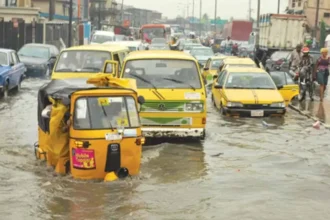
The government’s initial plan to close the bridge had alarmed Lagos residents, business owners, and transport operators. A full closure would have dramatically worsened the city’s already severe traffic congestion. Alternative routes would have been overwhelmed within hours.
Related News
In addition, the Eko Bridge corridor serves key economic areas, including Lagos Island’s financial district, Apongbon market, and key connecting roads to Apapa Port. Any prolonged closure would have raised logistics costs and disrupted supply chains across the city.
Furthermore, the reversal follows growing public pressure and pushback from Lagos State Government officials who had privately expressed concern about the impact of a closure on the city’s economy and daily life.
Rehabilitation Still Needed
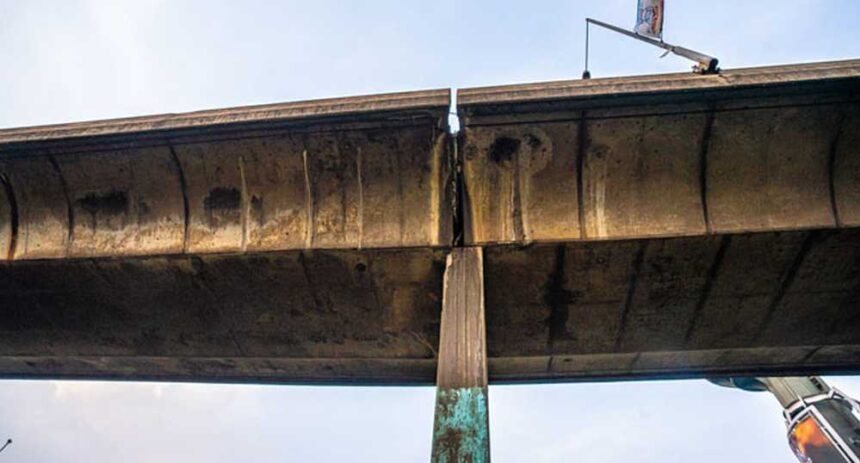
Despite the reversal, the Federal Government confirmed that the bridge still requires significant structural repairs. Engineers have identified sections that need urgent attention to ensure long-term safety. The phased approach will allow work to begin quickly without stopping traffic entirely.
The ministry said it will deploy engineers and equipment to begin the phased rehabilitation within two weeks. Traffic management agencies including LASTMA and the Federal Road Safety Corps will coordinate to minimise disruption during work hours.
Lagosians and commuters welcomed the government’s reversal. However, transport experts urged the ministry to set and communicate a clear timeline for completing the repairs. They warned that open-ended rehabilitation projects have a history of dragging on for years in Nigeria without satisfactory completion.