

For the first time in years, Nigerians checking the exchange rate are not getting a bad shock. The naira has found some peace. The question is whether that peace will last.
What Changed
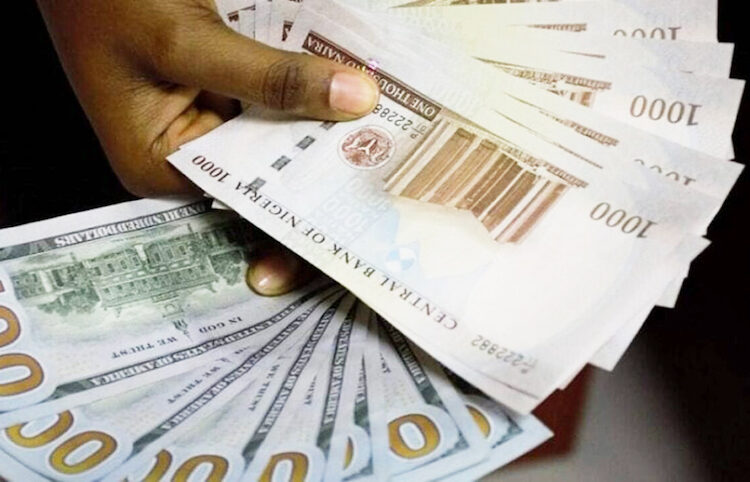
Cast your mind back to early 2025. One dollar was buying over N1,600 on the open market. The situation felt out of control. By May 2026, the rate has calmed to between N1,350 and N1,430, with barely any daily movement. That kind of calm was almost unimaginable a year ago.
Related News
Much of the credit goes to a refinery. The Dangote Petroleum Refinery, running at 650,000 barrels per day, has dramatically reduced the amount of foreign exchange Nigeria needs to import fuel. Less demand for dollars means less pressure on the naira. Economists have named it the “Dangote Effect,” and it is real.
The Problem Under the Surface
Stability at the top, however, does not mean everything is fine underneath. Nigeria’s total debt has crossed N159 trillion, and the government plans to borrow another N29 trillion in 2026 alone. The Nigerian Economic Summit Group said in its May 2026 Debt Burden Monitor that the country “remains in a high-risk fiscal environment despite apparent stabilisation.”
Related News
A Fragile Balance
The Central Bank is holding firm on tight monetary policy, and that discipline is helping. But with a budget deficit of over N20 trillion for the year and debt service costs consuming a huge share of government revenue, there is not much room for error.
The naira is calm. Nigeria’s finances are not quite as calm. And that difference matters.