

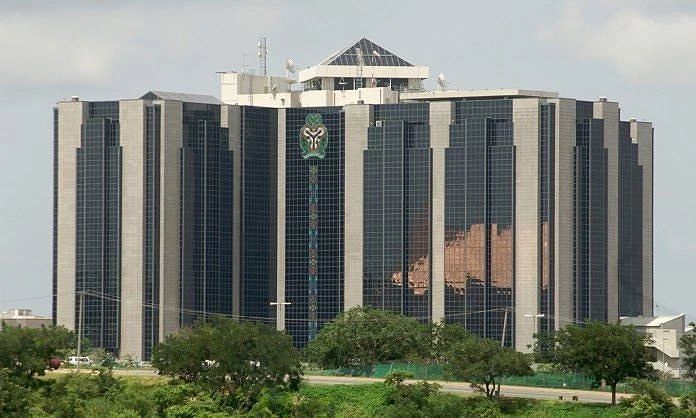
The Central Bank of Nigeria (CBN) has significantly increased efforts to absorb excess cash from the financial system, withdrawing more than N90 trillion through Open Market Operations (OMO) between January and November 2026 as it moves to contain inflation and safeguard monetary stability ahead of the 2027 general elections.
The latest figures show a sharp rise in liquidity management activities compared to previous years. According to market data and CBN auction records, the amount withdrawn this year is more than double the N40.9 trillion recorded in 2025, highlighting the apex bank’s determination to keep inflationary pressures under control.
The intensified cash withdrawal strategy comes amid concerns that increased political spending in the build-up to the 2027 elections could inject substantial funds into the economy, potentially driving inflation and creating additional pressure on the foreign exchange market.
Related News
CBN Governor Olayemi Cardoso has repeatedly stated that the bank is prepared to respond swiftly to any surge in liquidity linked to election activities. He said the apex bank has studied patterns associated with previous election cycles and developed strategies to manage any risks to economic stability.
According to the governor, the bank will closely monitor currency circulation, banking system liquidity, money supply and foreign exchange demand, deploying the necessary monetary tools whenever required.
The CBN’s liquidity mop-up programme relies largely on OMO securities, which allow the bank to remove excess cash from circulation by selling short-term instruments to investors and financial institutions. This reduces the volume of money available in the economy and helps moderate inflationary pressures.
Related News
Data from the Financial Market Dealers Association and auction results show particularly strong activity in several months of 2026, with September recording one of the highest levels of OMO allotments as the CBN intensified efforts to reduce excess liquidity in the banking system.
Beyond monetary tightening, the apex bank has also pursued policies aimed at reducing reliance on physical cash. Earlier in the year, it unveiled plans to bring more funds held outside the banking sector into formal financial channels as part of broader efforts to deepen digital payments and strengthen financial inclusion.
Economic analysts say the success of these measures will be important in determining whether inflation remains on a downward path as political activities gather momentum. Election periods in Nigeria have historically been associated with increased spending, making liquidity management a key focus for policymakers.
For businesses and households already grappling with the impact of rising prices, the CBN’s latest actions signal its intention to prevent excess cash from undermining recent gains in economic stability. As preparations for the 2027 elections intensify, the battle against inflation is expected to remain at the centre of the bank’s policy decisions.