

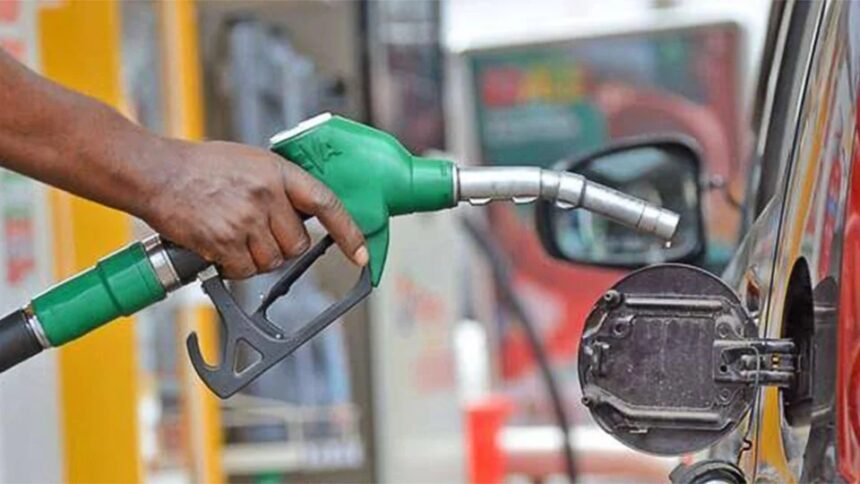
Abuja, Nigeria — The Federal Government’s recent announcement of a 30-day petrol discount has ignited sharp criticism from opposition parties, civil society groups, and economic analysts, who argue that the policy could destabilize Nigeria’s fragile energy sector and undermine long-term reforms.
The initiative, unveiled as a temporary relief measure to ease the burden of rising fuel costs on citizens, was intended to provide short-term economic respite. However, critics insist that the discount is a populist move that risks reversing progress made in deregulating the downstream petroleum industry.
Opposition leaders have described the discount as a “short-sighted intervention” that fails to address the structural challenges of Nigeria’s energy market. They argue that while citizens may welcome cheaper petrol in the immediate term, the policy sends conflicting signals about the government’s commitment to subsidy removal and market liberalization.
Related News
According to them, the discount could reintroduce elements of subsidy dependency, which Nigeria has struggled to eliminate due to its heavy fiscal burden. “This is not sustainable. It creates confusion for investors and undermines confidence in the government’s reform agenda,” one opposition spokesperson noted.
Economists have also raised alarms, warning that the discount could distort market dynamics. By artificially lowering prices, the government risks discouraging private sector investment in refining and distribution. Analysts argue that Nigeria’s long-term energy stability depends on encouraging competition and efficiency, not temporary price controls.
They further caution that the discount may widen fiscal deficits, as government revenue from petroleum sales will decline during the 30-day window. This could strain public finances already burdened by debt servicing and infrastructure demands.
Related News
Civil society organizations have echoed similar concerns, emphasizing that the policy does little to address the root causes of Nigeria’s fuel crisis. Groups advocating for energy reform argue that the government should prioritize investment in local refining capacity, renewable energy, and transparent pricing mechanisms rather than short-term discounts.
They warn that the policy risks creating public expectations of continued fuel price relief, which could pressure the government into extending or repeating the discount, thereby entrenching subsidy-like practices.
In defense of the policy, government officials maintain that the discount is a temporary measure designed to cushion citizens against global oil price volatility. They argue that the initiative demonstrates responsiveness to public hardship and insist that it will not derail broader energy reforms.
Officials also highlight that the discount is limited to 30 days, after which market-based pricing will resume. They stress that the government remains committed to deregulation and is working to attract investment into refining and distribution infrastructure.
The controversy underscores Nigeria’s ongoing struggle to balance immediate economic relief with long-term structural reforms. While citizens welcome cheaper petrol, the backlash reveals deep skepticism about the sustainability of such measures.
Observers note that the debate reflects a broader challenge facing Nigeria’s policymakers: how to provide short-term relief without undermining confidence in reform. The petrol discount may ease hardship temporarily, but unless accompanied by capacity building and transparent energy policies, it risks becoming another cycle of dependency.
As the 30-day discount unfolds, Nigerians remain divided. For many households, the policy offers much-needed relief. For critics, however, it is a dangerous detour from reform. The coming weeks will reveal whether the government can balance public expectations with its stated commitment to long-term energy stability.