

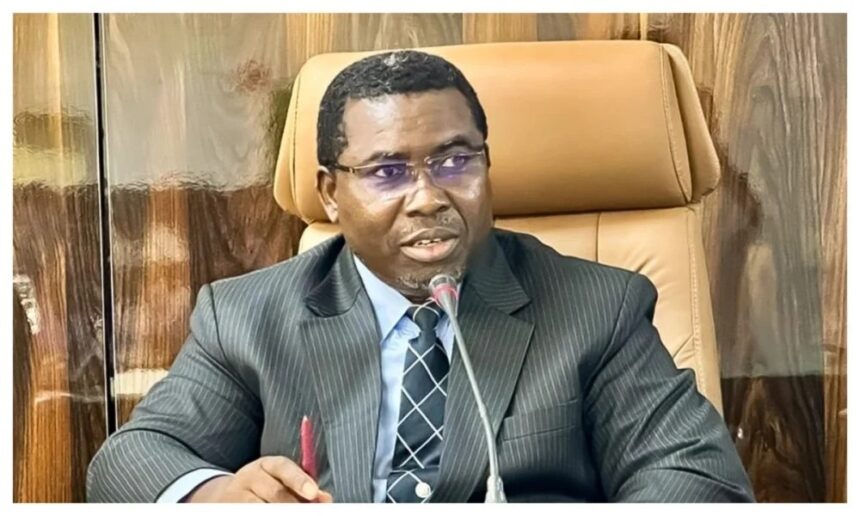
Abuja, Nigeria — The Independent National Electoral Commission (INEC) has issued a stern warning against the spread of fake election claims, stressing that misinformation poses an immediate and enduring threat to Nigeria’s democratic stability.
According to the Commission, the deliberate circulation of falsehoods about election outcomes, voter turnout, or the credibility of electoral processes undermines public confidence and weakens the legitimacy of democratic institutions. INEC emphasized that once trust is eroded, rebuilding it becomes a long and difficult process, leaving citizens skeptical of future elections.
In recent years, Nigeria has witnessed a surge in politically motivated disinformation campaigns, particularly during election seasons. These campaigns often spread through social media platforms, messaging apps, and partisan blogs, reaching millions of citizens within minutes.
Related News
INEC noted that while freedom of expression is a constitutional right, weaponizing falsehoods to manipulate public opinion is dangerous. Such actions not only distort reality but also fuel division, tension, and violence. The Commission warned that fake claims about vote rigging or manipulated results can spark unrest, even when elections are conducted transparently.
Nigeria’s democracy is still evolving, and the credibility of elections remains central to its growth. INEC explained that false narratives weaken the bond between citizens and the state, creating an atmosphere of suspicion. This, in turn, discourages voter participation and emboldens those who seek to delegitimize democratic governance.
The Commission stressed that the damage caused by disinformation is not temporary. Once false claims take root, they linger in public memory, shaping perceptions long after elections are concluded. This enduring harm makes it difficult for institutions to regain trust, even when subsequent elections are free and fair.
Related News
INEC urged political parties, candidates, civil society organizations, and the media to act responsibly in their communication. The Commission highlighted that democracy thrives when stakeholders prioritize truth and transparency over propaganda.
Journalists were reminded of their duty to verify information before publication, while citizens were encouraged to fact-check claims before sharing them online. INEC also appealed to social media companies to strengthen monitoring systems that can detect and curb the spread of harmful election-related misinformation.
To counter disinformation, INEC reaffirmed its commitment to timely and accurate communication. The Commission pledged to continue publishing verified updates on election processes, results, and logistics to ensure Nigerians have access to credible information.
INEC further explained that transparency measures such as real-time result uploads, public collation centers, and independent observer reports are designed to protect electoral integrity. These mechanisms, the Commission argued, are proof that Nigeria’s elections are conducted with accountability.
Beyond elections, INEC warned that unchecked disinformation threatens national unity. False claims about ethnic bias, regional favoritism, or religious manipulation in electoral processes deepen divisions among Nigerians. The Commission cautioned that democracy cannot flourish in an environment where citizens are constantly misled.
INEC concluded by urging Nigerians to recognize that democracy is a shared responsibility. Protecting the truth, rejecting falsehoods, and promoting transparency are essential steps toward building a resilient democratic system.