

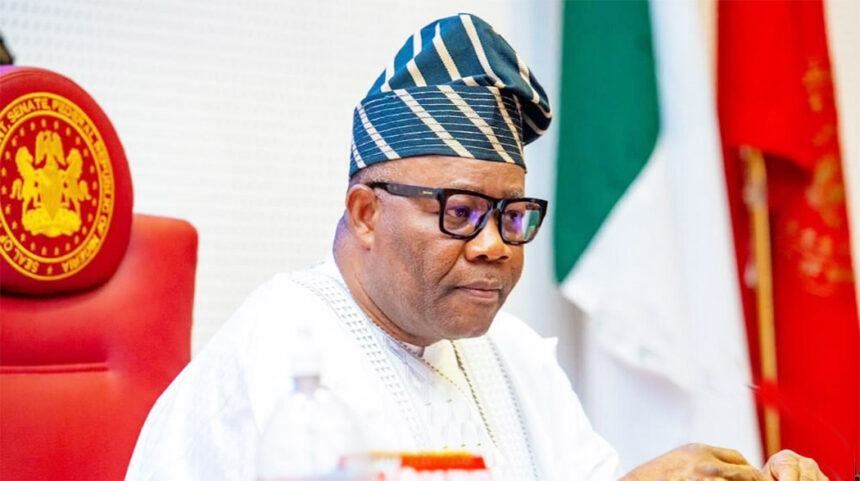
Lawmakers of Nigeria’s National Assembly are returning from recess with a packed legislative timetable expected to focus heavily on economic reforms, security concerns, constitutional amendments, and key bills that could shape the country’s political and economic direction in the coming months.
The resumption of plenary comes at a crucial period for Africa’s largest economy, with millions of Nigerians looking to lawmakers for solutions to pressing challenges ranging from rising living costs and unemployment to insecurity and electoral reforms ahead of future political contests.
Observers say the return of senators and members of the House of Representatives provides an opportunity for renewed legislative engagement on issues affecting citizens and businesses across the country.
Related News
At the forefront of legislative discussions is the state of the economy and measures aimed at easing financial pressure on households and businesses.
Recent economic realities, including inflationary pressures, fluctuating exchange rates, and increasing production costs, have intensified calls for policy interventions capable of stimulating growth while protecting vulnerable Nigerians.
Analysts expect lawmakers to pay significant attention to tax-related proposals and economic reform initiatives designed to expand government revenue while encouraging private sector investment.
Related News
Several stakeholders have urged the National Assembly to ensure that any fiscal legislation strikes a balance between revenue generation and the need to create a favourable business environment.
Economic experts believe legislative support for reforms that encourage productivity, investment, and job creation could play a major role in accelerating economic recovery and boosting investor confidence.
Another issue expected to feature prominently during parliamentary proceedings is the country’s security situation.
From insurgency and banditry to kidnapping and communal conflicts, security concerns continue to affect many communities across the country.
Lawmakers are expected to review existing security strategies and examine measures that could strengthen security institutions and improve response mechanisms.
There are also expectations that oversight activities relating to security spending and implementation of defence-related projects will receive increased attention as legislators seek greater accountability and effectiveness in the sector.
Political observers note that security remains one of the most important concerns for Nigerians and is likely to influence many legislative discussions during the current session.
Attention is also expected to focus on electoral legislation as lawmakers consider proposals aimed at strengthening Nigeria’s democratic process.
Political stakeholders have consistently advocated reforms to address gaps identified during previous election cycles.
Expected discussions may revolve around improving electoral transparency, strengthening institutional independence, enhancing voter participation, and leveraging technology to improve the credibility of elections.
Analysts argue that timely electoral reforms will provide adequate preparation for future elections and strengthen public confidence in democratic institutions.
The constitutional amendment process is also anticipated to regain momentum following the resumption of legislative activities.
Several proposals seeking adjustments to various aspects of governance have remained subjects of national debate.
Among the issues attracting public interest are discussions surrounding devolution of powers, local government administration, judicial reforms, state policing, and measures to improve governance efficiency.
Stakeholders across different regions have continued to push for constitutional changes capable of addressing emerging realities and promoting national development.
The National Assembly is expected to engage various interest groups as the review process progresses.
Beyond lawmaking, lawmakers are also expected to intensify oversight functions over ministries, departments, and agencies of government.
Such oversight activities are considered critical in ensuring proper implementation of approved budgets and public policies.
Development experts argue that effective legislative oversight can help improve transparency, accountability, and value for public expenditure.
Several committees are expected to resume investigative hearings and project monitoring exercises aimed at evaluating the performance of government institutions.
For many Nigerians, the resumption of plenary presents another test of the legislature’s ability to respond to national challenges through impactful policies and people-oriented legislation.
Civil society organisations and advocacy groups have called on lawmakers to prioritise bills and motions that directly address economic hardship, youth unemployment, education, healthcare, and infrastructure development.
There is also a growing expectation that legislators will strengthen collaboration with relevant stakeholders to ensure laws passed by the National Assembly deliver tangible benefits to citizens.
With numerous national issues demanding attention, the coming weeks are expected to be busy for both chambers of the National Assembly.
From tax reforms and economic recovery initiatives to security interventions and constitutional amendments, lawmakers face mounting pressure to produce outcomes capable of improving governance and addressing public concerns.
As plenary activities resume, political and economic stakeholders will be closely monitoring deliberations, hoping that legislative actions translate into practical solutions for the challenges confronting Nigerians.
The new session is widely expected to shape key policy conversations, influence economic reforms, and redefine governance priorities as the country continues its quest for stability, growth, and sustainable development.