


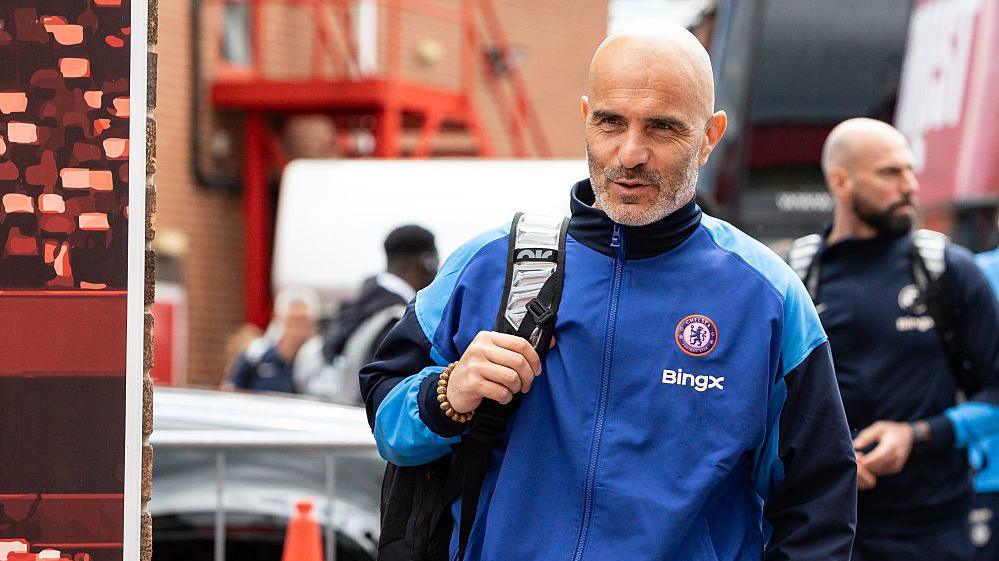
The dismissal of Enzo Maresca at Chelsea was not merely a reaction to poor results. It was the violent culmination of a philosophical war raging within the club’s corridors. At its heart was a critical question: can a top-tier club be built almost exclusively on potential?
Maresca, sources indicate, was not a dissident to the project of developing young talent. However, he became a vocal pragmatist, arguing for experienced signings to provide balance and maturity. “The disagreement was about the composition of the squad, not the direction,” a club insider shared. “He respected the policy but saw a glaring gap in the roster that results began to expose.”
This tension crystallized during matches where Chelsea surrendered leads—a pattern Maresca privately attributed to the natural inconsistencies of a youthful side. Ultimately, the board’s vision proved non-negotiable. His departure statement, referencing his “worst 24 hours” and “many people” involved, pointedly highlighted the fractured relationship with the sporting directors who champion the long-term plan.
A League in Tactical Flux
Beyond Stamford Bridge, the Premier League narrative is being rewritten by subtle revolutions. At Tottenham, Thomas Frank’s meticulous, set-piece mastery is quietly paying dividends. After a rocky start, his relentless drilling on dead-ball scenarios secured a vital win against Crystal Palace—their ninth goal from such situations this season. “It’s about marginal gains,” a training ground source noted. “Frank believes those hours on the training pitch build a foundation for the flair fans crave.”
Similarly, at Liverpool, an unexpected star has emerged. While Florian Wirtz arrived with fanfare, it is Jeremie Frimpong—initially seen as cover—who has dazzled. His explosive pace and versatility have provided Arne Slot with a multifaceted weapon. “He’s the surprise package,” a tactical analyst observed. “His ability to disrupt defensive structures from multiple positions has been a revelation.”
Perhaps the most significant tactical shift, however, is at Manchester United. Ruben Amorim, long wedded to a back-three, has finally acquiesced to a 4-2-3-1 formation. The change, demanded by fans and deliberated for weeks in training, has catalyzed their push for a Champions League spot, proving even steadfast managers must sometimes adapt.
The Human Cost of Instability
Amidst these strategic shifts, personal careers hang in the balance. Jadon Sancho’s loan spell at Aston Villa has become a cautionary tale, with the winger managing a mere 133 minutes. Manager Unai Emery expresses public faith, stating, “He has this challenge with me… I believe in him,” but the path to redemption remains steep.
Conversely, Antoine Semenyo’s move to Manchester City is a leap of faith. His versatility and leadership are coveted by Pep Guardiola, but he enters a fierce competition for minutes on the wing. As history shows, such transitions from clubs like Bournemouth to giants are never guaranteed.
The Weekend’s Foregone Conclusion?
This brings us to the weekend’s starkest fixture: a beleaguered Chelsea visiting Manchester City. Analyzing Chelsea’s recent defensive frailties against Bournemouth, Guardiola likely sees a ripe opportunity. With Erling Haaland and Phil Foden in attack, City are poised to exploit a vulnerable backline.
While Chelsea can hope for moments of magic from Cole Palmer, the club now navigates this crucial period without the manager who warned of precisely this vulnerability. The match may not just highlight a gap in quality, but the consequences of a rigid ideological divide.